
Concrete vs. Cement: What Rosenberg Homeowners Need to Know
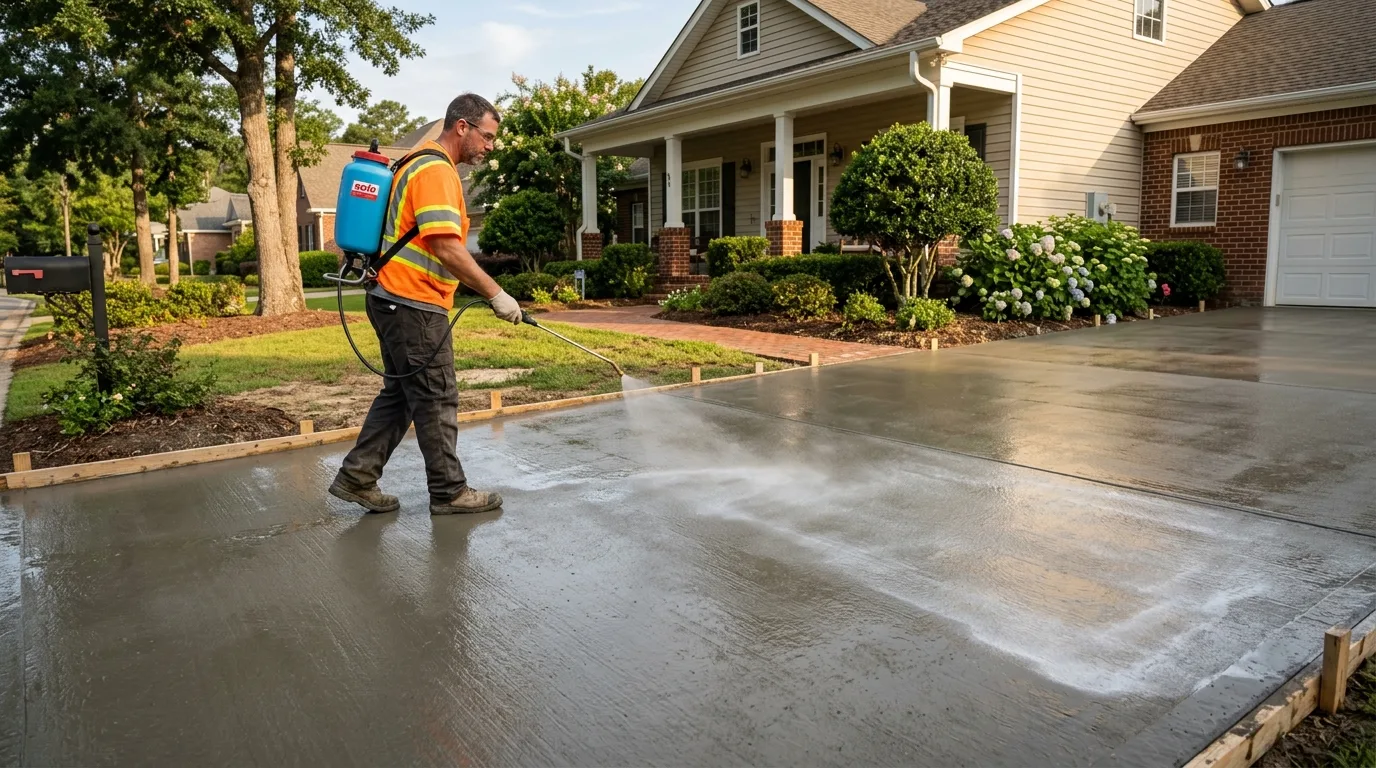
Every week, Rosenberg homeowners ask us for a quote on “cement driveways” or “cement patios.” We always know what they mean — and we never correct them in a condescending way — but the concrete vs. cement distinction actually matters when you’re making decisions about your project, talking to contractors, or reading product information. Here’s a clear, practical explanation of what’s different and why it matters for Fort Bend County homeowners.
Have a Question About Your Rosenberg Concrete Project?
Rosenberg Concrete answers all your questions — no jargon, no pressure. Call (888) 376-0955 for a free consultation.
Why the Concrete vs. Cement Distinction Matters in Rosenberg
Cement is an ingredient; concrete is the finished product. Understanding this matters because different types of cement perform differently in Fort Bend County’s soil and climate conditions. When you’re hiring a contractor and reviewing their specifications, knowing what cement type they’re using — and why — tells you something about their expertise with local conditions.
In Rosenberg specifically, Fort Bend County soil contains sulfate compounds that can react with certain cement types over time, degrading concrete strength. Knowing to ask about cement type is something many homeowners don’t think to do.
What Cement Is
Cement is the binding agent in concrete — the powder that, when mixed with water, undergoes a chemical reaction (hydration) to form a hard, stone-like material. Portland cement is the most common type, and it comes in several varieties:
Type I (General Use): Standard Portland cement for most applications. Works well for most residential concrete projects in moderate conditions.
Type II (Moderate Sulfate Resistance): Recommended for Fort Bend County projects because the local soil and groundwater contain sulfate compounds that can attack Type I cement over time. Most experienced Rosenberg contractors specify Type II for foundations and slabs in direct soil contact.
Type III (High Early Strength): Gains strength faster than Type I, useful for winter pours or projects where the area needs to return to service quickly. Less common in residential work.
White Portland Cement: The same as Type I but without the iron and manganese oxides that give regular cement its gray color. Used for decorative concrete work where a lighter base color is needed for stamped or colored applications.
What Concrete Is
Concrete is the mixture of cement, water, fine aggregate (sand), and coarse aggregate (gravel or crushed stone). The cement is typically only 10–15% of the total mixture by volume — but it’s the active ingredient that holds everything together. The aggregate provides bulk and strength; the water-to-cement ratio controls the final concrete strength and durability.
This is why concrete quality isn’t just about cement type — it’s also about:
- Water-to-cement ratio: Lower ratios (less water per pound of cement) produce stronger, less porous concrete. Adding water to make concrete more workable weakens it.
- Aggregate quality: Clean, well-graded aggregate produces better concrete than dirty or poorly sized material.
- Air entrainment: Air-entraining admixtures create microscopic air bubbles that improve concrete’s resistance to internal stress — relevant for Rosenberg projects because clay soil movement creates stress.
- Fiber reinforcement: Adding polypropylene or steel fibers to the mix improves crack resistance, especially at early ages.
Types / Options for Concrete Projects in Rosenberg
Plain gray concrete (3,000 PSI): Standard residential mix for driveways, patios, and walkways. Adequate for residential loads with proper base preparation and drainage.
Higher-strength concrete (4,000–5,000 PSI): Specified for commercial projects, loading dock slabs, and heavy-load areas. The higher cement content improves durability but costs more.
Stamped/decorative concrete: Uses color hardeners (broadcast onto the surface) or integral color (added to the mix), release agents, and stamp mats to create texture and pattern. White Portland or Type II cement can be specified as the base for certain color palettes.
Fiber-reinforced concrete: Standard mix with polypropylene or steel fiber admixture. Reduces plastic shrinkage cracking during cure and improves impact resistance. A good specification for Rosenberg driveways and patios.
Exposed aggregate concrete: Placed and screeded like standard concrete, then surface paste is washed away before final set to expose the aggregate. Produces a textured, skid-resistant surface popular for pool decks and walkways in Rosenberg.
Practical Uses: What This Means for Your Project
- Foundation pours: Always ask your contractor what cement type they’re specifying for foundation work in Fort Bend County. Type II is the correct answer for slabs in direct contact with Rosenberg soil.
- Driveway quotes: When comparing bids, ask each contractor about their concrete mix design — the PSI rating, whether they use fiber reinforcement, and their water-cement ratio specification. These details differentiate quality contractors from those who just pour whatever the ready-mix truck delivers.
- Decorative work: Stamped concrete color involves both the concrete mix and applied colorants. Ask whether integral color or surface color hardener is used — integral color is more fade-resistant but costs more.
- Repairs: Concrete repair products use polymer-modified cements, often with specific bonding agents. “Cement” products from a hardware store are usually not appropriate for structural concrete repairs — they have poor bond strength and limited durability.
How Weather in Rosenberg Affects Concrete Mix Design
Fort Bend County’s heat affects how concrete is mixed and delivered. In summer, ready-mix plants add ice to the mix water to lower the initial concrete temperature, which extends the working time before the mix stiffens. Chilled water and chilled aggregate are other temperature management techniques. This matters because concrete that’s too hot when it’s placed sets too quickly, reducing workability and increasing cracking risk.
Rosenberg’s 52 inches of annual rainfall also means concrete placed during or shortly after heavy rain is at risk — rain dilutes the mix surface, raising the water-cement ratio and producing weaker, more porous concrete at the surface layer. Quality contractors monitor weather closely and delay pours when rain is likely during or immediately after placement.
Frequently Asked Questions
What’s the difference between concrete and cement in Rosenberg, TX?
Cement is the powdered binding ingredient; concrete is the finished mixture of cement, water, sand, and gravel. When Rosenberg homeowners ask for “cement driveways,” they mean concrete driveways. The distinction matters because cement type selection (Type I vs. Type II) affects durability in Fort Bend County’s sulfate-bearing soils.
Does cement type matter for Rosenberg concrete projects?
Yes, for projects in contact with local soil. Fort Bend County soils contain sulfate compounds that can attack Type I Portland cement over time. Experienced Rosenberg contractors specify Type II cement for foundations and slabs poured directly on native soil. For interior slabs raised above grade, Type I is typically adequate.
What PSI concrete do I need for a driveway in Rosenberg?
3,000 PSI is the minimum residential driveway specification in most of Fort Bend County. 4,000 PSI is appropriate for heavier-use areas or driveways that will see regular truck or RV traffic. The PSI rating is only one factor — base preparation, reinforcement, and curing quality matter as much as mix strength.
Get the Right Concrete for Your Rosenberg Project
Rosenberg Concrete specifies the right mix for Fort Bend County conditions on every project. Call (888) 376-0955 for a free estimate.
Related: